
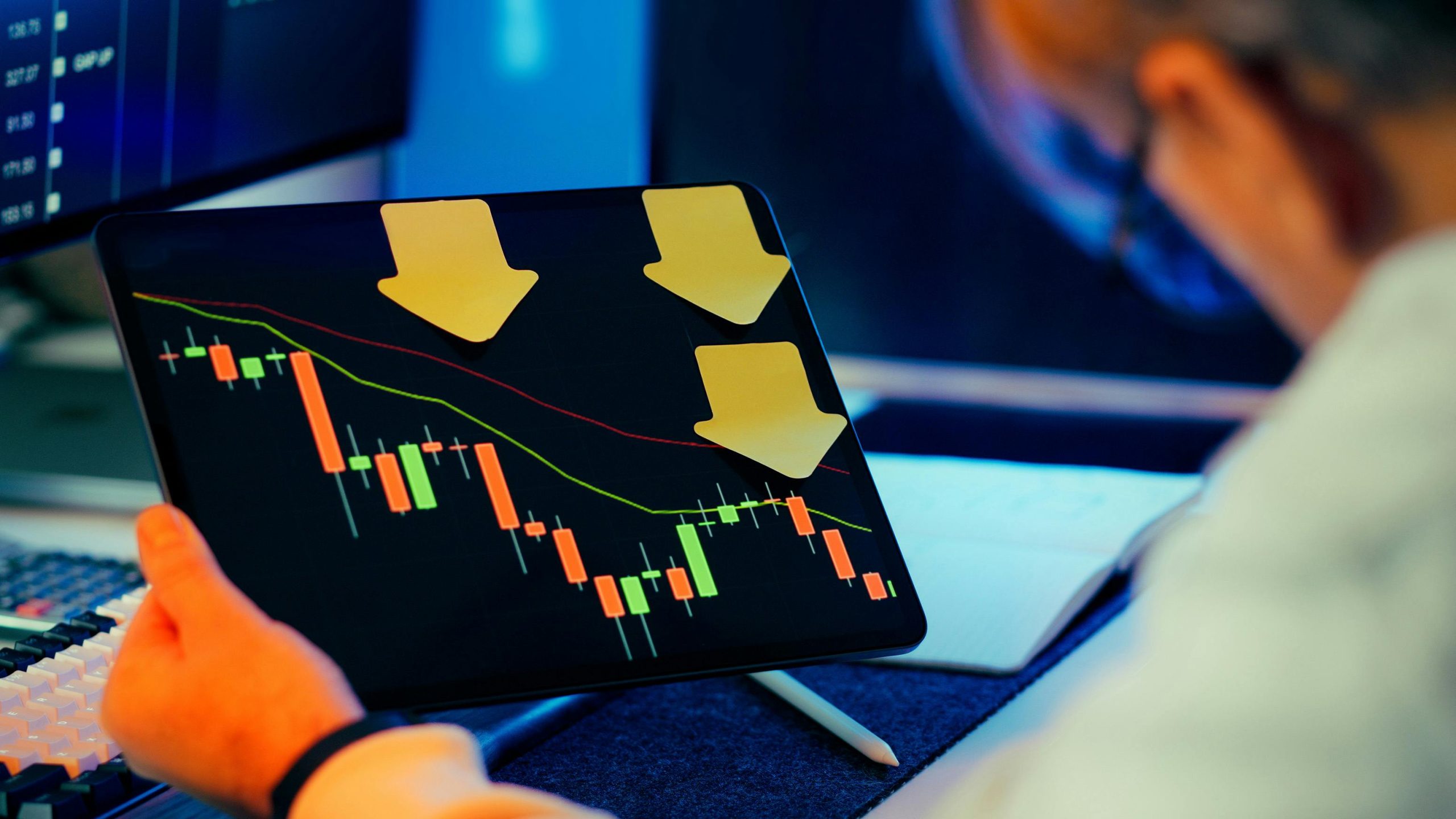
When the markets are down and everything feels uncertain, most people assume that’s when the stress starts.
To be fair, those moments can feel uncomfortable. The headlines get louder, account balances move around, and suddenly everyone has a take on what you should do with your money.
But my clients usually are not the ones calling in a panic when the market dips or losing sleep at night when there’s market volatility.
It’s not because we stick our heads in the sand and pretend downturns don’t happen. It’s because we prepare for them ahead of time.
Planning For Uncertainty Before It Happens
One of the most important parts of financial planning is understanding that markets will go up and down over time. It’s a part of the process that comes naturally when we put our money to work in long-term investments.
Because of that, we spend a lot of time talking about expectations before money is ever invested. We talk about what the money is for, when it may realistically be needed, and how to separate short-term cash needs, emergency reserves, and long-term investments designed for future growth.
During uncertain markets, having a plan in place can help prevent short-term emotions from driving long-term financial decisions. When someone needs money for a major purchase, the conversation isn’t just “take money out.” It’s about looking at the full picture.
What does their current tax situation look like? Have they already taken distributions this year? Does it make more sense to pull from cash reserves, retirement accounts, or non-qualified investments? Are there gains available that could make the timing more favorable? Those decisions are rarely one-size-fits-all, which is why planning ahead matters so much during uncertain periods.
Life Still Moves Forward
What I’ve found over the years is that when people feel prepared, they’re able to stay focused on their actual lives instead of getting consumed by financial headlines.
Ideally, financial planning should help remove some of the day-to-day stress and uncertainty that people carry around money.
They still spend time with family. They still make plans for the future. And sometimes, during more uncertain periods, they simply make thoughtful adjustments instead of reacting emotionally.
Maybe that means choosing a road trip for a family vacation this summer instead of a big flight to Hawaii. It’s not about panic or fear. It’s about making intentional decisions based on the moment.
That doesn’t mean concern completely disappears. It just means there’s a plan helping guide decisions during uncertain times.
And that peace of mind is incredibly valuable.
Confidence Comes From Preparation
At Magnolia Wealth, the goal is not to predict every market movement perfectly.
It’s to help people build a financial plan that can adapt through different seasons of life and different market environments.
Because confidence doesn’t come from predicting the market. It comes from being prepared for it.
And ultimately, my goal is simple: to help people feel more secure, more informed, and more at peace with their financial lives, regardless of what the markets are doing.
